Spring checkup after harsher months
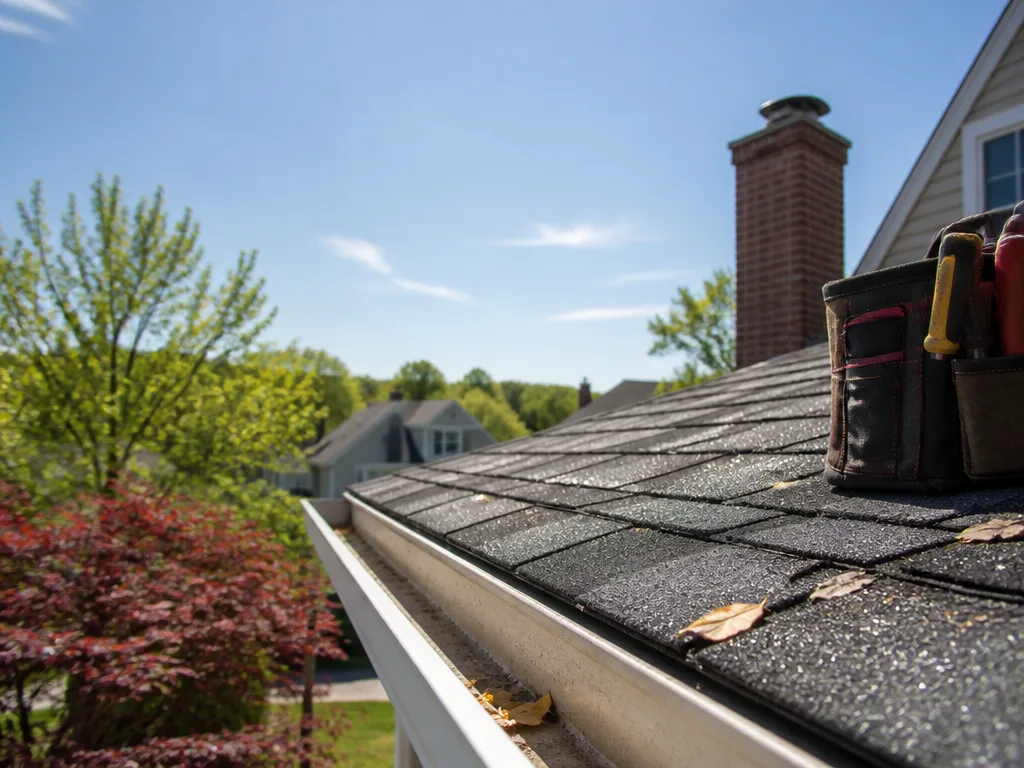
Spring in New Jersey means moisture and heavier rain after winter. Start with a visual exterior inspection for lifted shingles, damaged flashing, or any signs of wear along the edges. Clean gutters and downspouts to ensure proper drainage. A roofer can inspect the attic for hidden moisture and test roof vents to prevent future moisture buildup as days warm up.
Inspect the chimney and any roof penetrations for seals that may have degraded during winter. If you see daylight through the attic or damp spots on insulation, that’s a sign to call a pro. Across New Jersey, a quick professional check is cheaper than chasing leaks later in the season.
Summer heat and storm season
Summer brings high temperatures and pop-up storms in many parts of New Jersey. Look for damaged shingles where heat can soften asphalt, and watch for algae or moss on shaded sections. Clean gutters to prevent water from backing up under shingles. If you notice loose or buckling shingles after a heavy storm, that’s a cue to bring in a roofer for a closer look and a plan for repair if needed.
Ventilation matters in the heat. Adequate attic ventilation reduces heat buildup and can extend roof life. Our statewide crews can assess vent placement and insulation as part of a broader roof maintenance check for homes across New Jersey.
Fall and preparing for winter
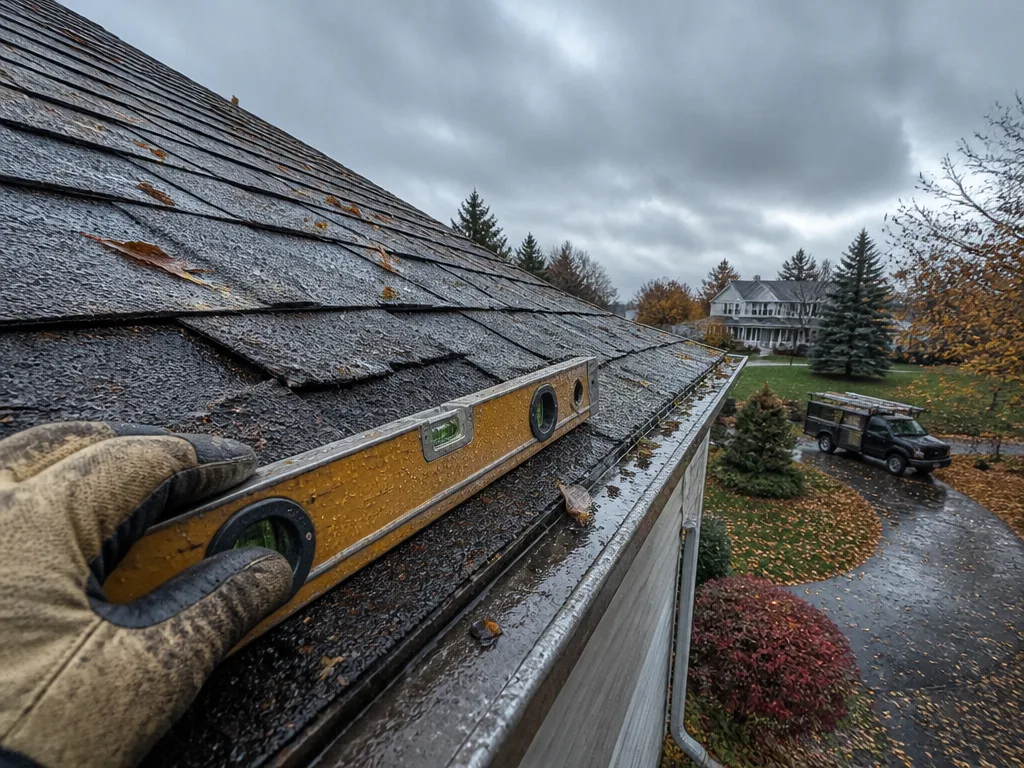
Fall in New Jersey means leaves, moisture, and colder nights. Keep debris off the roof and clean gutters to prevent water backup. Check flashing around chimneys and vents for cracks or gaps that could let in moisture. A thorough roof inspection in the fall helps to catch potential ice dam risks before the first freeze. If repairing or resealing is needed, our team can outline a plan that works for the upcoming winter season.
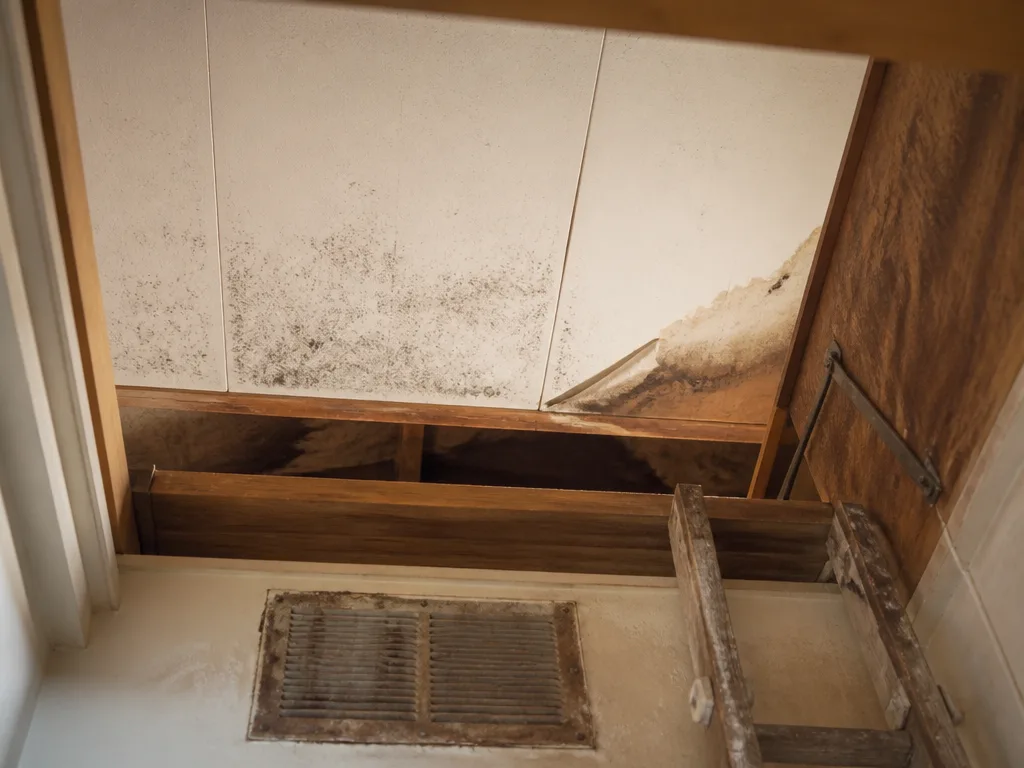
In winter, ice dams can form when warm attic air meets a cold roof. Ensure attic insulation is adequate and that there is good airflow to minimize snow melt and refreezing at the eaves. If you notice streaks on ceilings or attic moisture during cold snaps, contact a New Jersey roofer who serves statewide coverage to diagnose the cause and suggest a safe repair.